From plate to bowl: what can we give dogs and cats?

Some wait patiently beside the table, while others prefer to make a direct raid on the plate. Dogs and cats have different ways of showing interest in our food, but the temptation to share a few bites is common to many owners. A small piece of cheese, some leftover chicken, a little fruit: gestures that seem harmless and often come from the desire to offer something tasty to a pet.
Not everything we eat, however, is suitable for them too. Some foods can be consumed without particular problems, others can cause digestive disorders, and still others contain toxic substances capable of causing even serious consequences. Moreover, what is harmless for a dog is not always equally suitable for a cat. Knowing these differences is the first step towards sharing food without putting their health at risk.
Foods to avoid: when a bite becomes dangerous

Chocolate is probably the best-known example. It contains theobromine and caffeine, two substances that dogs and cats metabolise differently from humans and that can cause vomiting, agitation, changes in heart rhythm and, in the most serious cases, seizures. The risk increases with the concentration of cocoa: dark chocolate and chocolate intended for baking are more dangerous than milk chocolate. This does not mean, however, that milk chocolate can be given safely.
Less well known is the toxicity of grapes, both fresh and dried. In dogs, grapes and raisins can cause acute kidney damage, and there is no amount that can be considered safe for every animal. Individual sensitivity varies greatly, and even an apparently small ingestion requires attention. As a precaution, it is advisable to avoid giving them to cats as well.
Another group of unsuspected foods includes onion, garlic, leek and chives. They contain sulphur compounds that can damage red blood cells and cause anaemia. The problem affects both species, but cats are particularly sensitive. Cooking does not eliminate the risk, which also remains in dried or powdered products. This makes many dishes from our own cuisine potentially dangerous: a simple sauce, broth or stew may contain ingredients that are unsuitable for animals even when their presence is not obvious.
Xylitol also deserves attention. It is a sweetener used in some chewing gums, sweets and sugar-free preparations. In dogs, it can cause a rapid drop in blood glucose and, in the most serious cases, liver damage. Its toxicity is not documented in the same way in cats, but it remains a substance that should be kept away from pets.
The list does not end here. Macadamia nuts can cause neurological and muscular disorders in dogs, while coffee, caffeinated drinks and alcohol are dangerous for both species. Raw bread dough, if it contains yeast, can also become risky: it may continue to ferment in the stomach, producing gas and alcohol. In all these cases, it is important to distinguish true poisoning from a simple digestive upset. If an animal ingests a potentially toxic food, it is best not to wait for symptoms to appear: the veterinarian should be contacted immediately, indicating what was eaten and, where possible, in what quantity. Inducing vomiting without professional guidance can make the situation worse.

Not just restrictions: foods we can share

The good news is that many ingredients found in our kitchens can also be given to dogs and cats, provided they are prepared correctly and offered in suitable quantities. The key distinction is between a food that is safe as an occasional treat and one that is capable of meeting the animal’s nutritional needs.
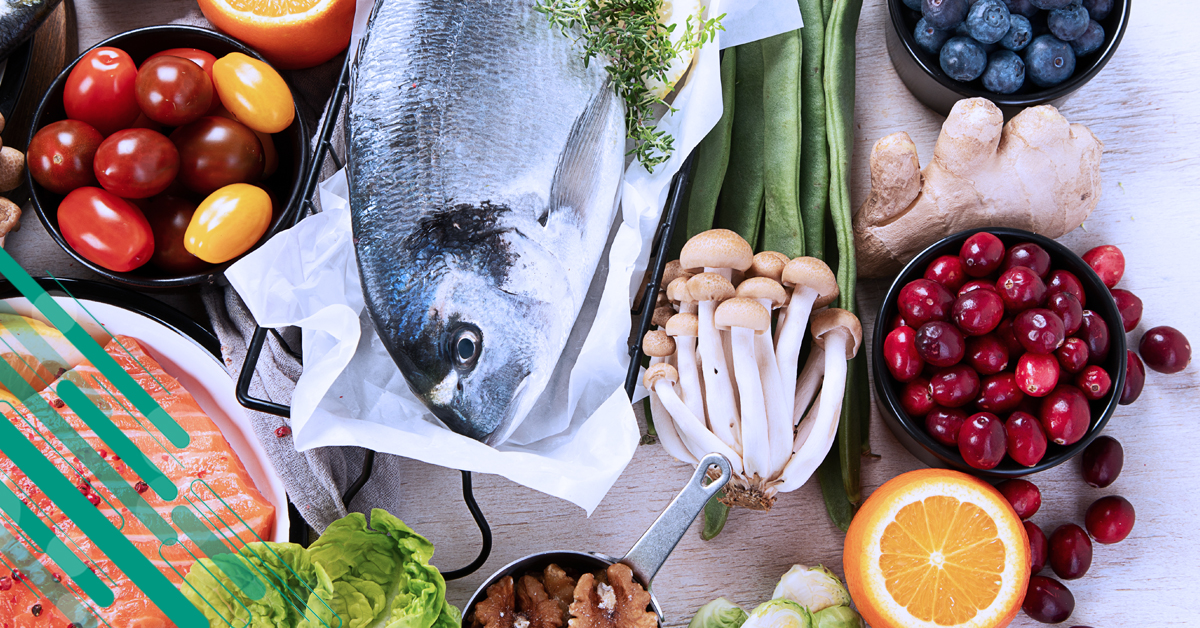
Meat is one of the simplest examples. A small piece of well-cooked chicken or turkey, without bones, skin or seasoning, can be a suitable snack for both. Cooked fish, with all bones removed, can also be offered occasionally, as can small amounts of well-cooked egg. There is no need to add salt, oil, butter or spices: ingredients that make our own dishes more appealing can turn a harmless snack into something too rich or difficult to digest.
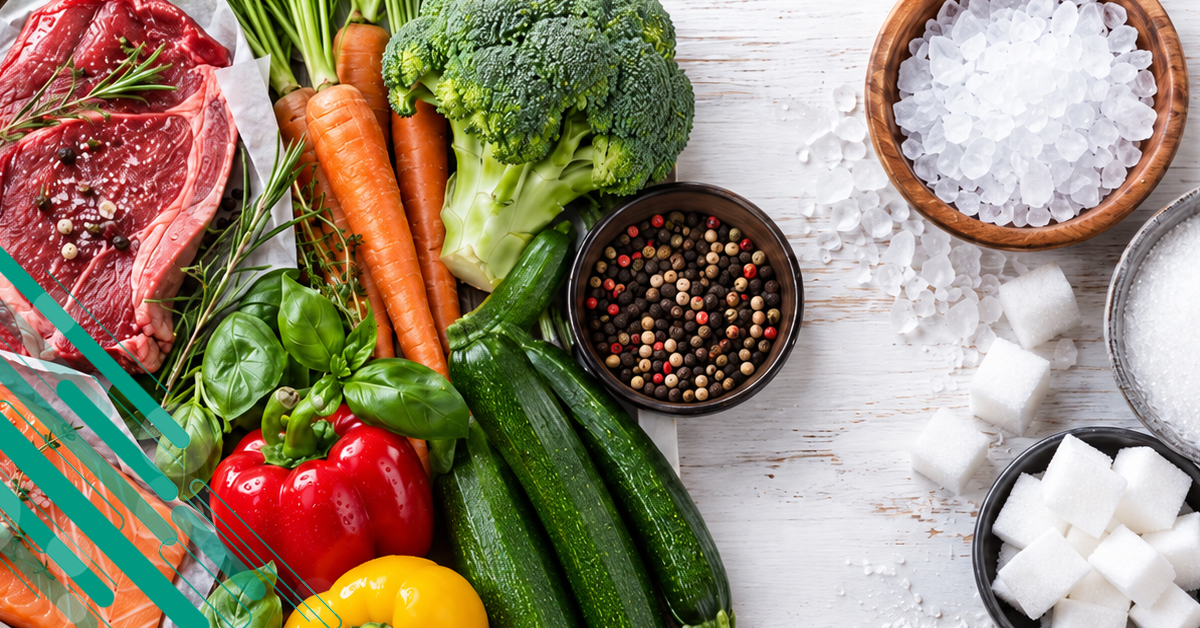
For dogs, the possibilities are broader. Carrots, courgettes, green beans and pumpkin can be offered in small portions, raw where appropriate or cooked without seasoning. Some fruits, such as apples, pears and blueberries, can also make an occasional snack. In the case of apples and pears, it is important to remove the core and seeds, while stones and hard parts should always be removed from other fruits.
Cats have different needs. They are obligate carnivores, whose metabolism requires specific nutrients naturally present in animal tissues, such as taurine. They can taste some vegetables or other plant-based foods without harm, but these are not necessary in their diet and cannot replace the nutritional sources they need. For a cat, a small piece of cooked meat is generally a choice that is more consistent with its physiology than a piece of fruit.
There are also foods that are not strictly toxic but can still cause problems. Milk is a classic example. In the popular imagination, it is almost inseparable from cats, yet many adult cats, as well as many dogs, digest lactose poorly. The result can be diarrhoea, bloating or other intestinal problems. Cheese too, especially fatty or very salty varieties, is not an ideal choice for a regular snack. The same applies to cured meats, sausages and many table leftovers. A small taste may not necessarily cause poisoning, but their high salt, fat and seasoning content makes them unsuitable for animals. A bite of ham, for example, is not nutritionally equivalent to a small piece of freshly cooked meat, even if both come from the same animal.

Quantity, preparation and balance: what really makes the difference

Knowing which foods we can share is important, but it is not enough. Even a safe ingredient can become problematic if it is given in excessive quantities, prepared incorrectly or added without proper consideration to the daily diet.
Preparation is an aspect that is often underestimated. Raw meat and uncooked eggs can contain pathogenic microorganisms, including Salmonella and Listeria, which can be dangerous both for animals and for the people handling the food. The fact that dogs and cats are carnivores, or have ancestors accustomed to eating prey, does not automatically make a diet based on raw products safe.
A similar issue concerns bones. Cooked bones can splinter and cause injuries or obstructions in the digestive tract, but raw bones also carry risks of choking, dental fractures and gastrointestinal damage. They should therefore not be considered a risk-free snack.
Another issue concerns quantities. A small dog and a forty-kilogram dog have very different energy requirements. The same bite may represent a negligible part of the daily ration for the latter and a significant caloric intake for the former. In cats, which generally have lower energy requirements than medium or large dogs, even small extras can affect the overall dietary balance.
Nutritional guidelines from the World Small Animal Veterinary Association suggest limiting treats and additional foods to less than 10% of daily calories. This is an indicative threshold, not a target to reach: the rest of the diet must provide the correct intake of all essential nutrients.
This is where an important distinction comes into play, one that also appears on pet food packaging. A food defined as complete is formulated to provide all the nutrients the animal needs at the life stage for which it is intended, when fed according to the instructions. A complementary food, on the other hand, must be combined with other foods to achieve a nutritionally balanced diet.
Occasionally offering a little cooked meat or a suitable vegetable is therefore not the same as building a homemade diet. The latter can be a viable choice, but it requires careful formulation. A diet made from fresh, good-quality ingredients is not necessarily complete: vitamins, minerals, fatty acids or essential amino acids may be lacking, or they may be present in the wrong proportions.
Individual conditions also matter. Age, weight, physical activity, possible allergies and health conditions all affect nutritional needs. A food that is normally well tolerated may be unsuitable for an animal following a specific veterinary diet. For this reason, when occasional tastes become a habit or there is a desire to change the diet, it is important to consult a veterinarian with expertise in nutrition.